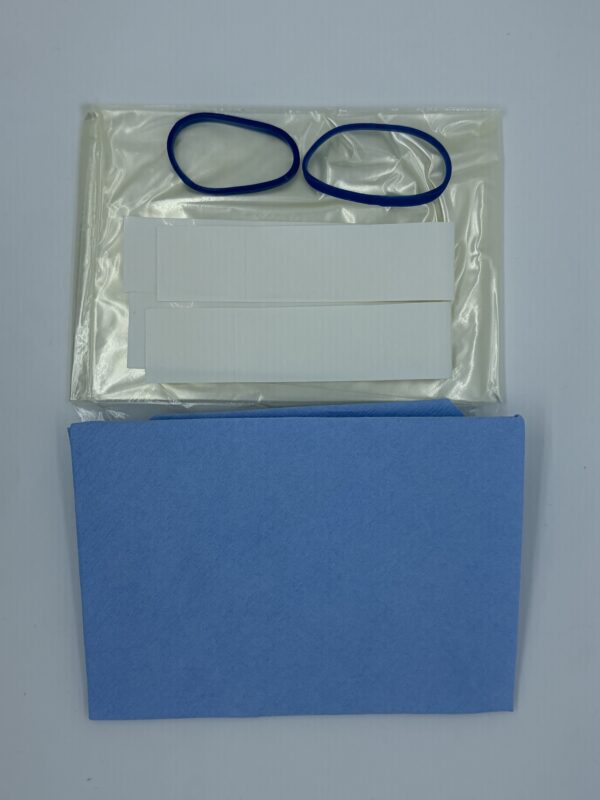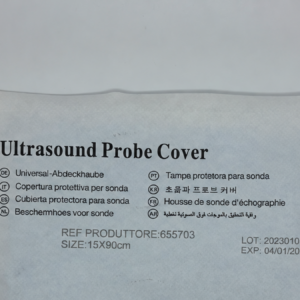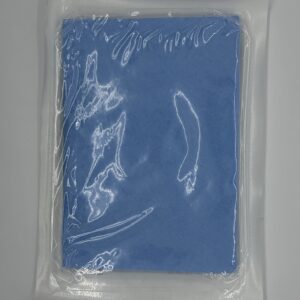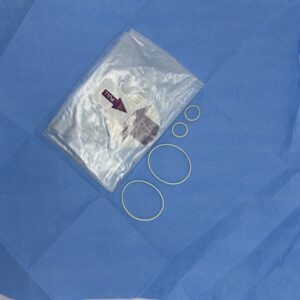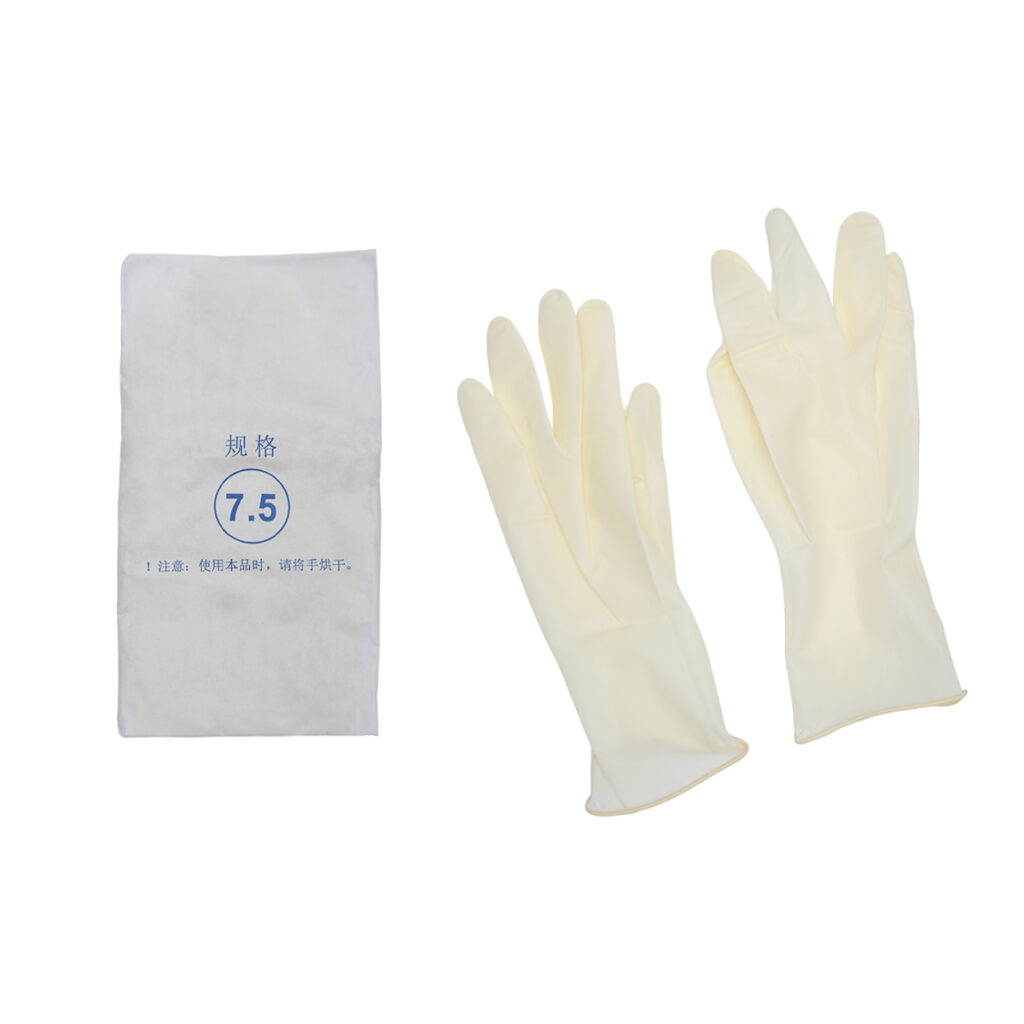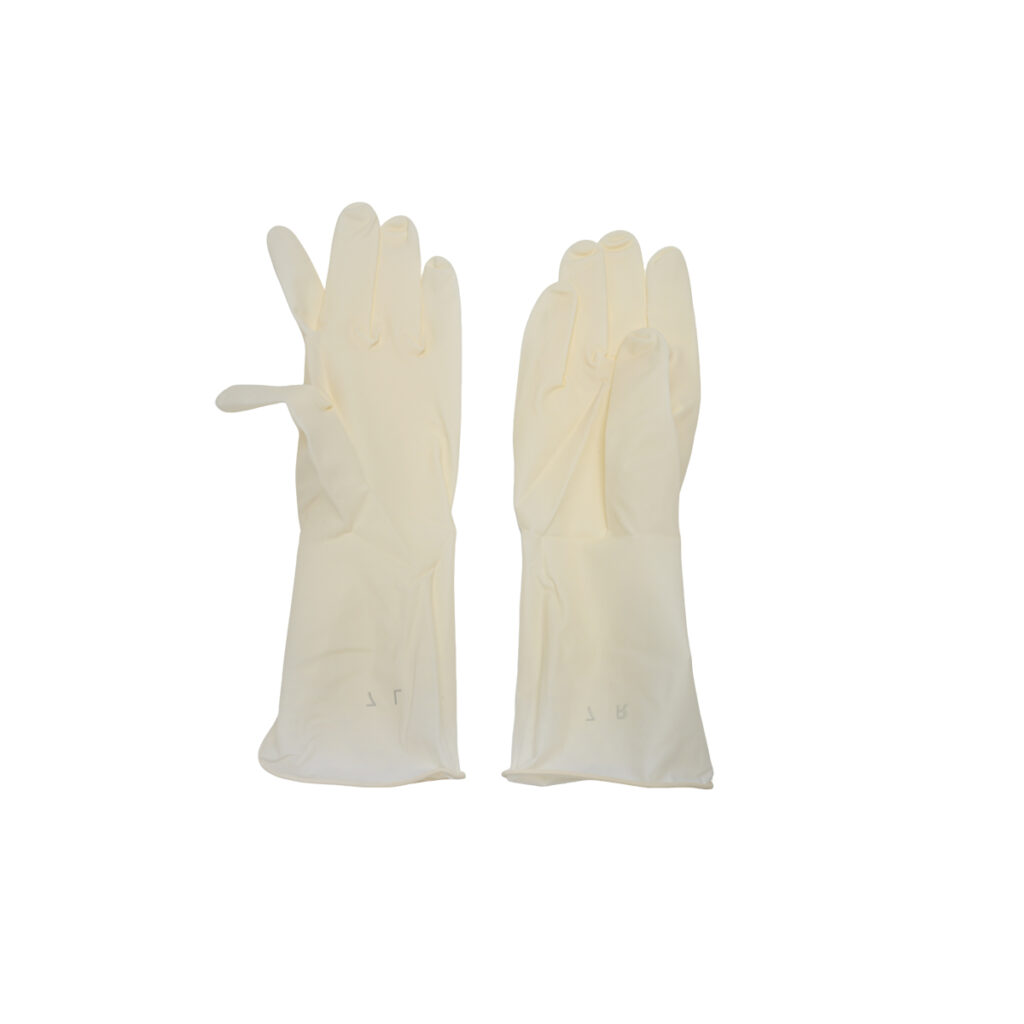
Sterile single-use ultrasound probe cover. Type A fixing sleeve plus latex film; Type B latex film. Latex or PU, 49x200mm to 55x240mm.
If you need customized products, Contact Us
If you run a busy ultrasound suite, you already know the drill: probes go from patient to patient, and every single scan carries a cross-contamination risk. The Ultrasound Probe Cover Type A and B is a sterile, single-use barrier designed to keep your transducer clean and your patients safe without slowing down your workflow. Whether you are doing endocavity scans, intraoperative imaging, or routine abdominal work, these covers give you a reliable sterile field every time.
Here is what makes them stand out:
Look, I have worked in clinical environments where probe covers were an afterthought, and it always showed. Staff scrambling to find a cover that fit, reusing something that should have been discarded, or just skipping the barrier entirely because it was inconvenient. This product solves that by being simple, sterile, and available in the sizes and styles that actually match real probes.
For related sterile consumables in your setup, you may also want to review our Disposable Interventional Surgical Bag Sterile Single Use for procedures that require a broader sterile field.
We spoke with a sonographer who has been using these covers in a high-volume outpatient imaging center. Here is what she told us:
Maria T., Registered Diagnostic Medical Sonographer (RDMS)
“I have tried a lot of probe covers over the years, and the thing I appreciate most about these is that the Type A fixing sleeve actually stays put. With some covers, the film slips during the exam and you are constantly adjusting. The latex film on these has enough tack to hold without being difficult to apply. We use the 52mm x 220mm size for most of our endocavity probes and it fits well. The only minor issue is that the packaging is not resealable, so if you open a pack and do not use all of them immediately, you need to store the rest carefully. But for single-use sterile items, that is pretty standard.”
Maria’s point about the fixing sleeve is worth emphasizing. A cover that shifts mid-exam is not just annoying, it is a contamination risk. The Type A design addresses that directly.
| Specification | Detail |
|---|---|
| Product Type | Ultrasound Probe Cover |
| Available Types | Type A (fixing sleeve and latex film), Type B (latex film) |
| Common Specifications | 49mm x 200mm, 52mm x 220mm, 55mm x 240mm |
| Material Options | Latex film or polyurethane (PU) |
| Sterilization Method | Radiation sterilized |
| Sterility | Sterile |
| Usage | Single use |
| Category | Nursing consumables |
Not sure which size or type fits your probe? Contact us for details and we will help you match the right cover to your equipment.
If you are stocking up on other single-use clinical supplies, our Disposable Spinal Anesthetic Needle AN-S21G 21G Sterile Single Use is a commonly paired item for procedure rooms and anesthesia carts.
Type A consists of a fixing sleeve and a latex film. The sleeve helps secure the cover to the probe. Type B is just the latex film without the sleeve. Your choice depends on the probe design and how much stability you need during the exam.
The common specifications are 49mm x 200mm, 52mm x 220mm, and 55mm x 240mm. These cover a range of standard probe dimensions.
Yes. They are radiation sterilized and labeled as sterile. They are intended for single use only.
The covers are available in latex film or polyurethane (PU). If you have latex sensitivity concerns, ask us about the PU option.
No. These are single-use items. Reusing a probe cover defeats the purpose of the sterile barrier and creates a contamination risk.
Yes. We carry a range of nursing consumables and sterile single-use items. For procedures that require a larger sterile field, take a look at our Disposable Interventional Surgical Bag Sterile Single Use.
Honestly, the biggest mistake I see in clinics is treating probe covers as a commodity afterthought. They are not glamorous, but they are one of the simplest infection-control tools you have. Get the fit right, use them once, and move on to the next patient with confidence.
 English English English
 Deutsch
 Français
 Русский
 Español
 Português English English English Deutsch Français Русский Español Português