
Quick answer: Peripheral nerve block needles serve peripheral nerve and plexus blockade and are specified as 21G / 22G x 50 / 80 / 100 / 150 mm. They are listed for general surgery operating rooms and reach hospital operating rooms through Pain clinic supply. This article sets out the application settings, the stated uses and the checks that belong in a purchase specification.
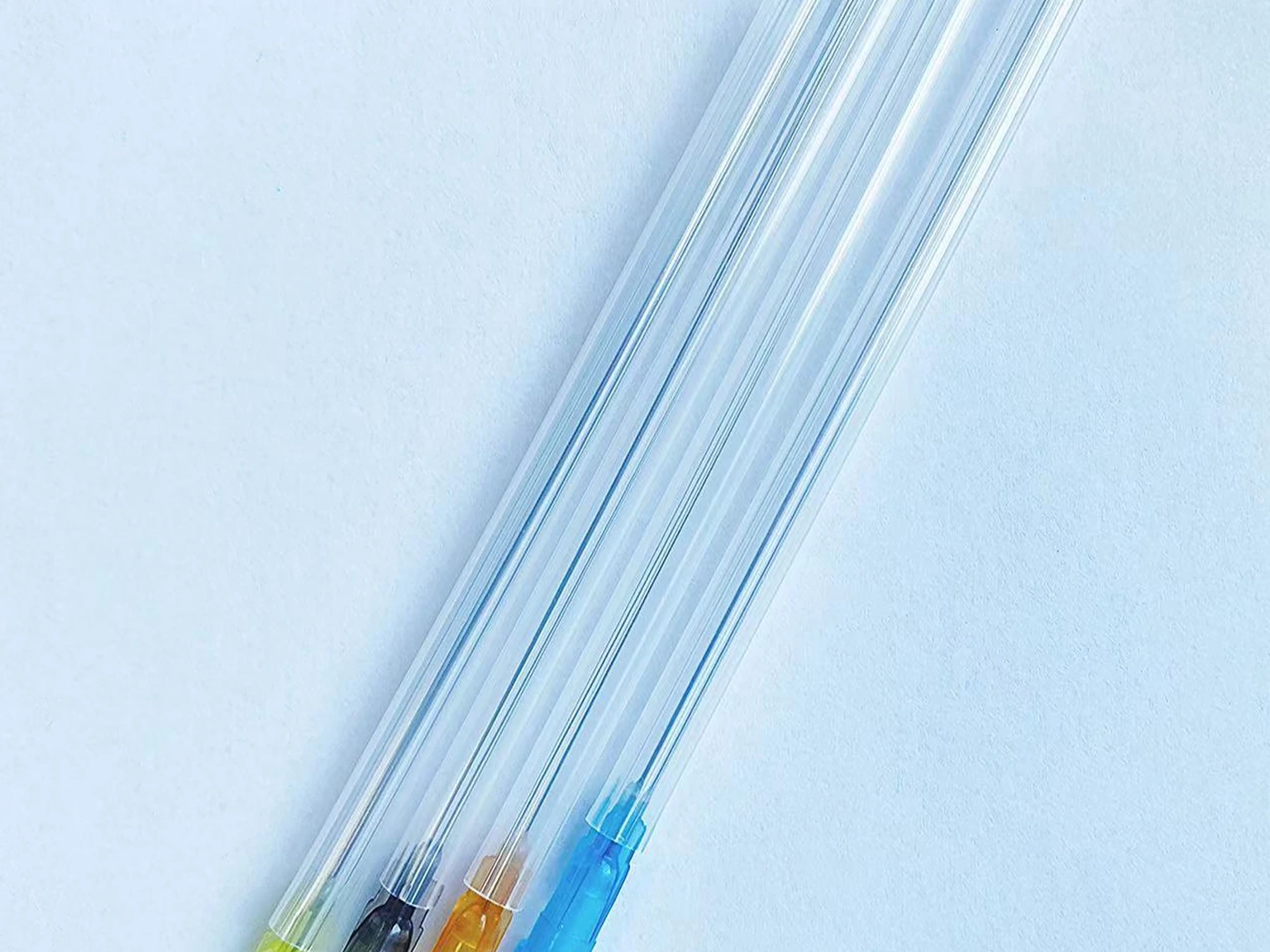
Peripheral Nerve Block Needles Sourcing Errors to Avoid
Failing to align the purchase order with the registration file creates avoidable work at import. Skipping a written confirmation step on configuration changes undermines version control over time. Because the stated configuration is 21G / 22G x 50 / 80 / 100 / 150 mm, a tender that omits it invites inconsistent quotations. Requests for samples should use the exact configuration intended for the contract.
- Errors to avoid in hospital operating rooms specifications:
- Omitting the configuration 21G / 22G x 50 / 80 / 100 / 150 mm.
- Treating peripheral nerve block needles and epidural kits as interchangeable.
- Leaving the pack format undefined.
- Accepting an undocumented configuration change.
Whether CE marking under MDR, FDA 510(k) clearance or another route applies depends on the destination market and must be confirmed against the supplier’s current file. Quality documentation is normally requested as a dossier covering the item, the configuration and the lot. Keep the discussion anchored to what the specification actually says and to how general surgery operating rooms work. Counting by configuration rather than by carton prevents silent drift in what is actually on the shelf.
The stated use, peripheral nerve and plexus block, insulated versions for nerve stimulator guidance, non-insulated for ultrasound guidance, should be quoted unchanged in any derived specification or pack insert. For hospital operating rooms, the practical question is whether the configuration fits the existing routine without extra handling. The most common specification error is quoting the product family without the configuration 21G / 22G x 50 / 80 / 100 / 150 mm. A brief refresher after the first month usually surfaces practical issues that a tender cannot predict.
Peripheral Nerve Block Needles: Gauge, Length and Configuration
Configuration details such as 21G / 22G x 50 / 80 / 100 / 150 mm belong in the technical schedule, not in a separate email. The specification 21G / 22G x 50 / 80 / 100 / 150 mm is descriptive, not a performance claim, and should be read that way. The GaoGuan Medical listing treats peripheral nerve block needles as a consumable line with a fixed specification of 21G / 22G x 50 / 80 / 100 / 150 mm. In practical terms the primary use is peripheral nerve and plexus block, insulated versions for nerve stimulator guidance, non-insulated for ultrasound guidance, and that purpose drives where the product is deployed.
| Parameter | Stated specification | Notes / configuration |
|---|---|---|
| 21G | 50 / 80 / 100 / 150 mm | Insulated or non-insulated |
| 22G | 50 / 80 / 100 / 150 mm | Insulated or non-insulated |
Evaluation criteria should be visible to all bidders so that equivalent offers can be compared fairly. Most disagreements between a buyer and a supplier turn out to be differences in configuration wording. Pack integrity is the first visual check; configuration against the purchase order is the second. Whether CE marking under MDR, FDA 510(k) clearance or another route applies depends on the destination market and must be confirmed against the supplier’s current file.
Treating peripheral nerve block needles and epidural kits as interchangeable ignores the different stated uses recorded in the product data. The wording below follows the source product listing, which records settings, channels and stated uses rather than outcomes. Where hospital operating rooms runs several departments, separate stock points should still share one configuration list. Because the stated configuration is 21G / 22G x 50 / 80 / 100 / 150 mm, a tender that omits it invites inconsistent quotations.
Peripheral Nerve Block Needles or Epidural Kits? a Configuration Comparison
As a catalogue item, Peripheral Nerve Block Needle is defined by 21G / 22G x 50 / 80 / 100 / 150 mm and by its stated use in peripheral nerve and plexus blockade. The source listing gives the main use as peripheral nerve and plexus block, insulated versions for nerve stimulator guidance, non-insulated for ultrasound guidance, without extending the claim to other indications. The wording below follows the source product listing, which records settings, channels and stated uses rather than outcomes. The application settings recorded for this line include general surgery operating rooms and comparable services.
| Comparison point | Peripheral nerve block needles | Epidural kits |
|---|---|---|
| Stated use | peripheral nerve and plexus blockade | complete epidural set-up |
| Published specification | 21G / 22G x 50 / 80 / 100 / 150 mm | 16G-18G Tuohy needle, combined configuration |
| Listed application setting | Hospital anaesthesiology departments performing regional blocks | Maternity hospitals and labour analgesia centres |
| Listed channel | Regional anaesthesia programmes | Obstetric procurement |
When operating room nursing managers compare offers, 21G / 22G x 50 / 80 / 100 / 150 mm is the field that most often gets shortened or lost. The most common specification error is quoting the product family without the configuration 21G / 22G x 50 / 80 / 100 / 150 mm. Long-term agreements work better when the configuration is version-locked and changes require written confirmation. Record decisions in writing so that the next procurement cycle starts from a stable baseline.
Safety discussions should stay with design intent and handling, and avoid unsupported performance claims. A sample retention and lot-traceability routine makes later investigations considerably shorter. Distribution is described through Pain clinic supply, which is where operating room nursing managers usually place volume orders. The same discipline applies across the range, from peripheral nerve block needles to epidural kits.
Acceptance Checks for Peripheral Nerve Block Needles
Acceptance criteria should be written before the first delivery so that operating room nursing managers and the supplier read them the same way. Pack integrity is the first visual check; configuration against the purchase order is the second. Repeat the same wording, 21G / 22G x 50 / 80 / 100 / 150 mm, across the purchase order, the pack label and the registration file. A change to 21G / 22G x 50 / 80 / 100 / 150 mm or to the pack contents normally triggers a regulatory review on the buyer’s side.
- Goods-in checks for peripheral nerve block needles:
- Label wording matches the purchase order.
- Configuration reads 21G / 22G x 50 / 80 / 100 / 150 mm.
- Pack integrity is intact and lot identification is legible.
- Documentation set matches the agreed dossier.
- Deviations are quarantined and recorded.
Shelf-life and rotation are managed through lot records; first-expiry-first-out is the usual rule. This is a descriptive comparison of catalogue configurations, not a clinical performance claim. Leaving the pack format undefined invites quotations that cannot be compared. Requests for samples should use the exact configuration intended for the contract.
Where the source data notes insulation choice follows the guidance method, not the gauge, that statement should be quoted as written rather than expanded. Review these points with operating room nursing managers before the specification is issued, not after quotations arrive. Non-conforming lots should be quarantined and recorded against the same specification used for ordering. The route to market recorded for this line runs through Pain clinic supply.
Stock and Rotation for Peripheral Nerve Block Needles in Hospital Operating Rooms
Counting by configuration rather than by carton prevents silent drift in what is actually on the shelf. Inventory planning for peripheral nerve block needles normally follows a size matrix, so slow-moving variants should be identified early. The specification 21G / 22G x 50 / 80 / 100 / 150 mm is descriptive, not a performance claim, and should be read that way. Needle placement and confirmation is the point at which pack presentation and component order matter most.
A sample retention and lot-traceability routine makes later investigations considerably shorter. Evaluation criteria should be visible to all bidders so that equivalent offers can be compared fairly. Most disagreements between a buyer and a supplier turn out to be differences in configuration wording. Handling guidance should be consistent with the labelled instructions and the department’s own protocol.
Ask for the cost of samples, document packs and any configuration approval step to be stated separately. This is a descriptive comparison of catalogue configurations, not a clinical performance claim. Shelf-life and rotation are managed through lot records; first-expiry-first-out is the usual rule. Purchasing responsibility generally sits with operating room nursing managers, supported by Pain clinic supply.
The Stated Purpose of Peripheral Nerve Block Needles in Hospital Operating Rooms
Peripheral nerve block needles are intended for peripheral nerve and plexus blockade; beyond that stated use, no additional indication is claimed. Because the stated use is peripheral nerve and plexus block, insulated versions for nerve stimulator guidance, non-insulated for ultrasound guidance, the configuration is discussed in relation to that procedure. In catalogue terms, peripheral nerve block needles sit in the Anesthesia / Spinal Needles line rather than in a separate device family. In day-to-day work the sequence runs through post-case disposal and documentation, so the consumable has to fit that step without rework.
- Stated use: Peripheral nerve and plexus block; insulated versions for nerve stimulator guidance, non-insulated for ultrasound guidance.
- Insulation choice follows the guidance method, not the gauge.
- Longer lengths serve deep plexus approaches.
- Ultrasound-led services generally specify non-insulated needles.
Peripheral nerve block needles appear in the application list for hospital operating rooms, specifically around general surgery operating rooms. The source listing gives the main use as peripheral nerve and plexus block, insulated versions for nerve stimulator guidance, non-insulated for ultrasound guidance, without extending the claim to other indications. Review these points with operating room nursing managers before the specification is issued, not after quotations arrive. Single-patient use and aseptic handling are the two safety topics most often written into hospital operating rooms specifications.
Non-conforming lots should be quarantined and recorded against the same specification used for ordering. Where the data is silent, the sensible approach is a qualitative requirement plus a document request. Long-term agreements work better when the configuration is version-locked and changes require written confirmation. For general surgery operating rooms, the relevant use case remains peripheral nerve and plexus block, insulated versions for nerve stimulator guidance, non-insulated for ultrasound guidance rather than a broader therapeutic claim.
Specification Checklist: Peripheral Nerve Block Needles in Hospital Operating Rooms
Evaluation criteria should be visible to all bidders so that equivalent offers can be compared fairly. Gauge, length and configuration appear in the listing as 21G / 22G x 50 / 80 / 100 / 150 mm, so substitutions should be flagged explicitly. Pack integrity is the first visual check; configuration against the purchase order is the second. Whether CE marking under MDR, FDA 510(k) clearance or another route applies depends on the destination market and must be confirmed against the supplier’s current file.
- Pre-order checklist for hospital operating rooms:
- consistent gauge availability
- sterile single-pack presentation
- shortened pre-operative preparation
- traceable lot documentation
- Configuration stated as 21G / 22G x 50 / 80 / 100 / 150 mm.
- Documentation set and acceptance criteria agreed in writing.
Reorder points should account for lead time and for any documentation checks on arrival. Record decisions in writing so that the next procurement cycle starts from a stable baseline. Skipping a written confirmation step on configuration changes undermines version control over time. Training is also the right moment to explain why substitutions are not made without approval.
Peripheral nerve block needles reach hospital operating rooms through Pain clinic supply, rather than only through direct hospital purchasing. The same discipline applies across the range, from peripheral nerve block needles to epidural kits. A cheaper item that forces a workflow change in general surgery operating rooms may cost more over a full contract period. Hospital procurement teams should record deviations and handling observations through the department’s usual reporting route.
Related Questions Buyers Ask About Peripheral Nerve Block Needles
Most disagreements between a buyer and a supplier turn out to be differences in configuration wording. Specifying teams should anchor the requirement to the stated purpose, peripheral nerve and plexus block, insulated versions for nerve stimulator guidance, non-insulated for ultrasound guidance. Configuration details such as 21G / 22G x 50 / 80 / 100 / 150 mm belong in the technical schedule, not in a separate email. Distribution is described through Pain clinic supply, which is where operating room nursing managers usually place volume orders.
At goods receipt, check label wording, lot identification, pack integrity and the stated configuration 21G / 22G x 50 / 80 / 100 / 150 mm. Keep the discussion anchored to what the specification actually says and to how general surgery operating rooms work. Standards such as ISO 13485, ISO 11135 for ethylene oxide sterilisation and ISO 10993 for biocompatibility are often referenced in tender dossiers. Reorder points should account for lead time and for any documentation checks on arrival.
Single-patient use and aseptic handling are the two safety topics most often written into hospital operating rooms specifications. Record decisions in writing so that the next procurement cycle starts from a stable baseline. Hospital procurement teams usually award on a combination of specification fit, supply continuity and document completeness. Standardising post-case disposal and documentation is often easier than renegotiating the specification later.
Frequently asked questions
Are peripheral nerve block needles and epidural kits interchangeable?
Because the stated use is peripheral nerve and plexus block, insulated versions for nerve stimulator guidance, non-insulated for ultrasound guidance, the configuration is discussed in relation to that procedure. When operating room nursing managers compare offers, 21G / 22G x 50 / 80 / 100 / 150 mm is the field that most often gets shortened or lost. Where the data is silent, the sensible approach is a qualitative requirement plus a document request.
What is the difference between the stated use and a clinical performance claim?
The source data places peripheral nerve block needles in general surgery operating rooms as well as in wider distribution channels. Tender documents for peripheral nerve block needles are usually prepared by operating room nursing managers and fulfilled through Pain clinic supply. Non-conforming lots should be quarantined and recorded against the same specification used for ordering.
Which departments in hospital operating rooms typically specify peripheral nerve block needles?
Importers typically verify that the supplied item matches the product description held in the local registration dossier. The application setting, hospital operating rooms, belongs in the specification because it determines pack format and replenishment pattern. The wording below follows the source product listing, which records settings, channels and stated uses rather than outcomes.
Can peripheral nerve block needles be supplied for kit assembly or private label?
The product listing describes design features such as insulation choice follows the guidance method, not the gauge, but makes no comparative clinical claim. Standardising post-case disposal and documentation is often easier than renegotiating the specification later. Staff in general surgery operating rooms benefit from a one-page configuration card kept at the point of use.
Continue reading
- Tenders for CSE Spinal Needles: What Labour Analgesia Programmes Should Ask
- Competency Checks for Epidural Kits in Labour Analgesia Programmes
- Sizing Nerve Block Kits for Surgical Theatre Procurement: A Selection Guide
- Customising Customised Procedure Packs for Surgical Theatre Procurement



 English
 Deutsch
 Français
 Русский
 Español
 Português