
Réponse rapide : Acupotomy needles serve soft-tissue adhesion release and are specified as Blade width 0.6-1.2 mm, selected by procedure. They are listed for acupotomy outpatient clinics and reach acupotomy clinics through Specialist clinic procurement. This article sets out the application settings, the stated uses and the checks that belong in a purchase specification.
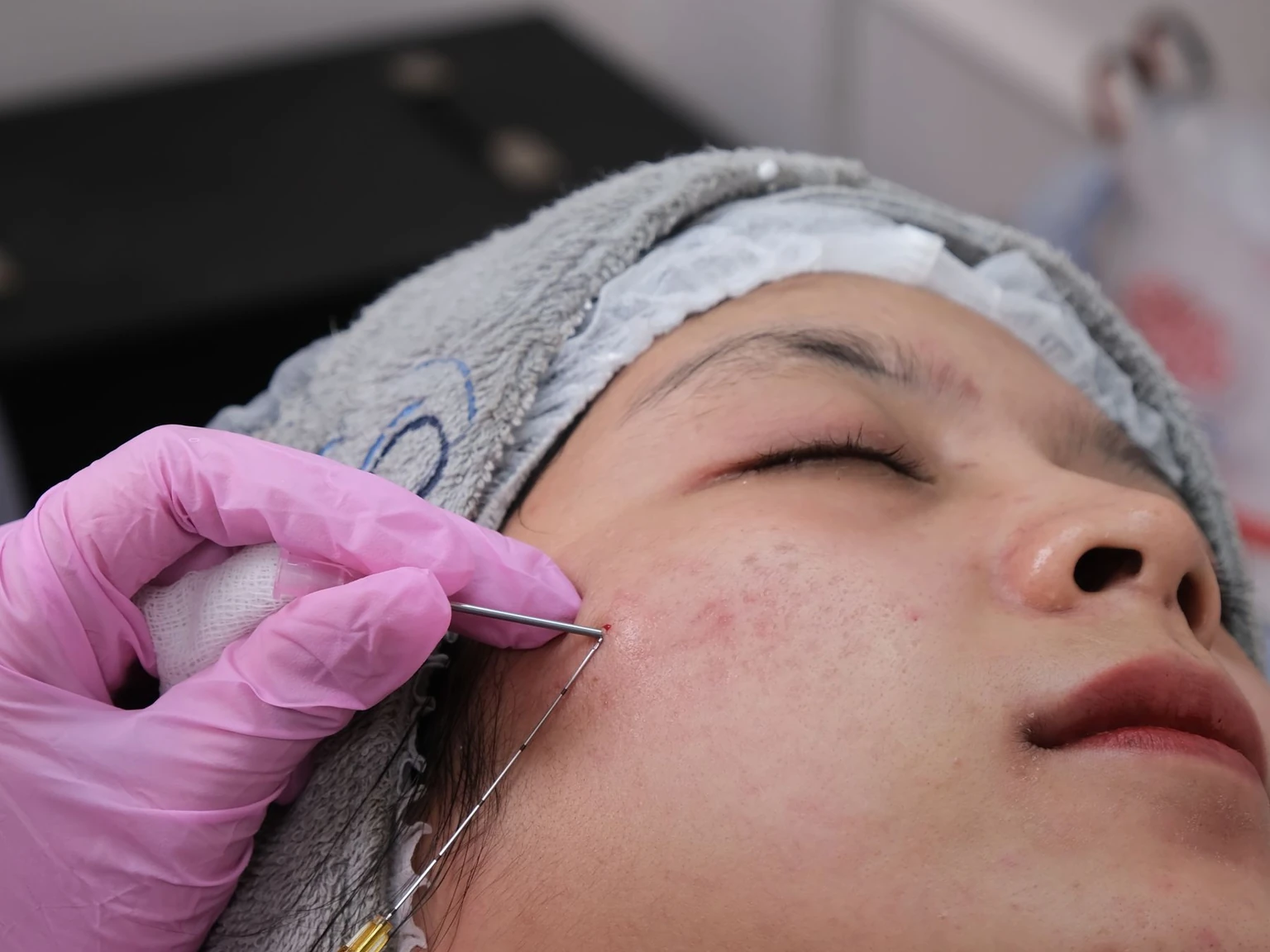
Why Acupotomy Clinics Specify Single-Use Acupotomy Needles
Any complication-rate discussion belongs in the clinical literature, not in a supplier catalogue. Export registration holders usually require that any configuration change be confirmed in writing before the next shipment. Because the stated use is acupotomy release for soft-tissue adhesions and chronic injury treatment, the configuration is discussed in relation to that procedure. Reviewing procedure and blade-width mapping with the clinical team reveals whether the chosen configuration actually fits.
- Points à usage unique et aseptiques pour les cliniques d'acupotomie :
- Vérifier la présentation jetable indiquée sur l'étiquette.
- Vérifier l'intégrité de l'emballage avant ouverture.
- Consignez le lot conformément à la procédure de documentation du département.
- Éliminer le produit conformément au protocole local de gestion des déchets cliniques.
Whether CE marking under MDR, FDA 510(k) clearance or another route applies depends on the destination market and must be confirmed against the supplier’s current file. A short, precise specification is cheaper to administer than a long one full of unverifiable claims. Introduce acupotomy needles with a short handling session focused on procedure and blade-width mapping rather than on catalogue detail. Counting by configuration rather than by carton prevents silent drift in what is actually on the shelf.
Ask bidders to state any deviation from Blade width 0.6-1.2 mm, selected by procedure explicitly rather than burying it in an equivalent-brand clause. Keep the discussion anchored to what the specification actually says and to how acupotomy outpatient clinics work. Safety discussions should stay with design intent and handling, and avoid unsupported performance claims. The application settings recorded for this line include acupotomy outpatient clinics and comparable services.
Pack Integrity for Acupotomy Needles in Acupotomy Clinics
A sample retention and lot-traceability routine makes later investigations considerably shorter. Training and correct handling are the practical levers available to acupotomy outpatient clinics when introducing a new consumable. Where a kit is version-locked, the registration dossier and the packed configuration must stay aligned. Where the data is silent, the sensible approach is a qualitative requirement plus a document request.
The stated use, acupotomy release for soft-tissue adhesions and chronic injury treatment, has to be achievable inside the existing procedure and blade-width mapping routine. Supervisors should record which configuration each team was trained on and when. Shelf-life and rotation are managed through lot records; first-expiry-first-out is the usual rule. Export registration holders usually require that any configuration change be confirmed in writing before the next shipment.
Export registration holders usually award on a combination of specification fit, supply continuity and document completeness. A short, precise specification is cheaper to administer than a long one full of unverifiable claims. Skipping a written confirmation step on configuration changes undermines version control over time. Purchasing teams should ask how the chosen configuration supports the department’s existing safety protocol.
Practical Handling of Acupotomy Needles in Acupotomy Clinics
A workflow built around procedure and blade-width mapping leaves little room for opening multiple separately packed items. Reviewing procedure and blade-width mapping with the clinical team reveals whether the chosen configuration actually fits. Demand for acupotomy needles is concentrated in acupotomy outpatient clinics, where the stated use is performed routinely. A sample retention and lot-traceability routine makes later investigations considerably shorter.
- Workflow steps relevant to acupotomy clinics:
- procédure et cartographie de la largeur des lames
- correspondance de la taille de l'aiguille et du fil
- préparation de l'emballage aseptique
- audit de programme
The source listing gives the main use as acupotomy release for soft-tissue adhesions and chronic injury treatment, without extending the claim to other indications. In day-to-day work the sequence runs through procedure and blade-width mapping, so the consumable has to fit that step without rework. A brief refresher after the first month usually surfaces practical issues that a tender cannot predict. Where the data is silent, the sensible approach is a qualitative requirement plus a document request.
Counting by configuration rather than by carton prevents silent drift in what is actually on the shelf. For acupotomy clinics, the practical question is whether the configuration fits the existing routine without extra handling. Training and correct handling are the practical levers available to acupotomy outpatient clinics when introducing a new consumable. Programme audit is the point at which pack presentation and component order matter most.
Documentation to Request for Acupotomy Needles
Where a kit is version-locked, the registration dossier and the packed configuration must stay aligned. Importers typically verify that the supplied item matches the product description held in the local registration dossier. Export registration holders usually require that any configuration change be confirmed in writing before the next shipment. Ask bidders to state any deviation from Blade width 0.6-1.2 mm, selected by procedure explicitly rather than burying it in an equivalent-brand clause.
- Documents généralement demandés dans un dossier d'appel d'offres :
- Fiche technique du produit actuel : Largeur de lame 0,6-1,2 mm, sélectionnée par procédure.
- Certificat de système qualité valable pour l'article fourni.
- Déclaration de conformité ou autorisation spécifique au marché, le cas échéant.
- Enregistrements d'identification et de traçabilité des lots.
- Informations relatives à la stérilisation et au conditionnement pour la présentation indiquée.
Acupotomy needles carry the specification Blade width 0.6-1.2 mm, selected by procedure, which is the baseline for acceptance checking. Most disagreements between a buyer and a supplier turn out to be differences in configuration wording. The stated use, acupotomy release for soft-tissue adhesions and chronic injury treatment, should be quoted unchanged in any derived specification or pack insert. Storage conditions should follow the labelled requirements and the supplier’s written handling instructions.
Skipping a written confirmation step on configuration changes undermines version control over time. The wording below follows the source product listing, which records settings, channels and stated uses rather than outcomes. Commonly requested documentation includes a quality-system certificate, a declaration of conformity where applicable, and lot records. The route to market recorded for this line runs through Specialist clinic procurement.
Risk-Aware Specification of Acupotomy Needles
Safety discussions should stay with design intent and handling, and avoid unsupported performance claims. Single-patient use and aseptic handling are the two safety topics most often written into acupotomy clinics specifications. For acupotomy outpatient clinics, the relevant use case remains acupotomy release for soft-tissue adhesions and chronic injury treatment rather than a broader therapeutic claim. Supervisors should record which configuration each team was trained on and when.
A sample retention and lot-traceability routine makes later investigations considerably shorter. Standards such as ISO 13485, ISO 11135 for ethylene oxide sterilisation and ISO 10993 for biocompatibility are often referenced in tender dossiers. For acupotomy clinics, the practical question is whether the configuration fits the existing routine without extra handling. Standardising procedure and blade-width mapping is often easier than renegotiating the specification later.
Assuming certification status from a previous tender instead of requesting the current document is a recurring problem. Most disagreements between a buyer and a supplier turn out to be differences in configuration wording. Any complication-rate discussion belongs in the clinical literature, not in a supplier catalogue. The application setting, acupotomy clinics, belongs in the specification because it determines pack format and replenishment pattern.
Verifying Acupotomy Needles on Delivery
Export registration holders usually require that any configuration change be confirmed in writing before the next shipment. Quality documentation is normally requested as a dossier covering the item, the configuration and the lot. When TCM chain programme sourcing compare offers, Blade width 0.6-1.2 mm, selected by procedure is the field that most often gets shortened or lost. No certification status should be assumed from a catalogue; ask for the current, valid document instead.
- Contrôles des marchandises à réception pour les aiguilles d'acupotomie :
- Le libellé de l'étiquette correspond à celui du bon de commande.
- La configuration indique une largeur de lame de 0,6 à 1,2 mm, sélectionnée par procédure.
- L'intégrité de l'emballage est intacte et l'identification du lot est lisible.
- Le dossier documentaire correspond au dossier convenu.
- Les écarts sont mis en quarantaine et consignés.
Version-locked configurations make stock reconciliation simpler because the item identity does not move. This is a descriptive comparison of catalogue configurations, not a clinical performance claim. The most common specification error is quoting the product family without the configuration Blade width 0.6-1.2 mm, selected by procedure. Long-term agreements work better when the configuration is version-locked and changes require written confirmation.
Export registration holders should record deviations and handling observations through the department’s usual reporting route. Review these points with TCM chain programme sourcing before the specification is issued, not after quotations arrive. A sample retention and lot-traceability routine makes later investigations considerably shorter. Distribution is described through Specialist clinic procurement, which is where TCM chain programme sourcing usually place volume orders.
Uses That Drive Demand for Acupotomy Needles
For acupotomy outpatient clinics, the relevant use case remains acupotomy release for soft-tissue adhesions and chronic injury treatment rather than a broader therapeutic claim. The use case recorded in the product data is acupotomy release for soft-tissue adhesions and chronic injury treatment, and specifications are written around it. The GaoGuan Medical product sheet groups acupotomy needles within TCM / Acupotomy and gives the configuration as Blade width 0.6-1.2 mm, selected by procedure. Where a service changes procedure and blade-width mapping, the pack configuration should be reviewed at the same time.
- Stated use: Acupotomy release for soft-tissue adhesions and chronic injury treatment.
- Blade width is chosen by procedure.
- Used for soft-tissue adhesion release in chronic injury protocols.
Application planning for acupotomy needles starts with the setting: acupotomy outpatient clinics and similar units. In practical terms the primary use is acupotomy release for soft-tissue adhesions and chronic injury treatment, and that purpose drives where the product is deployed. Most disagreements between a buyer and a supplier turn out to be differences in configuration wording. Purchasing teams should ask how the chosen configuration supports the department’s existing safety protocol.
Pack integrity is the first visual check; configuration against the purchase order is the second. This is a descriptive comparison of catalogue configurations, not a clinical performance claim. Ask bidders to state any deviation from Blade width 0.6-1.2 mm, selected by procedure explicitly rather than burying it in an equivalent-brand clause. The source listing gives the main use as acupotomy release for soft-tissue adhesions and chronic injury treatment, without extending the claim to other indications.
Liste de contrôle des aiguilles d'acupotomie pour les cliniques d'acupotomie
Les demandes d'échantillons doivent respecter la configuration exacte prévue pour le contrat. Le cahier des charges publié indique une largeur de lame de 0,6 à 1,2 mm, sélectionnée selon la procédure. Toute offre équivalente doit être comparée à ce cahier des charges point par point. La conservation des échantillons et la traçabilité des lots permettent de réduire considérablement le temps d'investigation ultérieur. Les normes telles que l'ISO 13485, l'ISO 11135 pour la stérilisation à l'oxyde d'éthylène et l'ISO 10993 pour la biocompatibilité sont fréquemment citées dans les dossiers d'appel d'offres.
- Liste de contrôle des précommandes pour les cliniques d'acupotomie :
- largeur de lame par procédure
- arbre creux versus arbre fendu
- correspondance des fils à aiguilles
- Flux de travail aseptique complet dans un seul emballage
- Configuration indiquée comme largeur de lame 0,6-1,2 mm, sélectionnée par procédure.
- La documentation et les critères d'acceptation ont été convenus par écrit.
Counting by configuration rather than by carton prevents silent drift in what is actually on the shelf. The same discipline applies across the range, from acupotomy needles to packs d'intégration de fils. Assuming certification status from a previous tender instead of requesting the current document is a recurring problem. Supervisors should record which configuration each team was trained on and when.
The buyers named in the data include TCM chain programme sourcing, who typically work from a written specification. Where the data is silent, the sensible approach is a qualitative requirement plus a document request. Pack format, documentation work and change-control effort all sit inside the total cost, not just the unit price. Any complication-rate discussion belongs in the clinical literature, not in a supplier catalogue.
Foire aux questions
Les aiguilles d'acupotomie et les kits d'enrobage de fil sont-ils interchangeables ?
Because the stated use is acupotomy release for soft-tissue adhesions and chronic injury treatment, the configuration is discussed in relation to that procedure. When TCM chain programme sourcing compare offers, Blade width 0.6-1.2 mm, selected by procedure is the field that most often gets shortened or lost. A short, precise specification is cheaper to administer than a long one full of unverifiable claims.
Quelle est la différence entre l'usage déclaré et une allégation de performance clinique ?
The source data places acupotomy needles in acupotomy outpatient clinics as well as in wider distribution channels. Tender documents for acupotomy needles are usually prepared by TCM chain programme sourcing and fulfilled through Specialist clinic procurement. Non-conforming lots should be quarantined and recorded against the same specification used for ordering.
Quels services des cliniques d'acupotomie spécifient généralement les aiguilles d'acupotomie ?
Importers typically verify that the supplied item matches the product description held in the local registration dossier. The application setting, acupotomy clinics, belongs in the specification because it determines pack format and replenishment pattern. Where the data is silent, the sensible approach is a qualitative requirement plus a document request.
Peut-on fournir des aiguilles d'acupotomie pour l'assemblage de kits ou pour une marque privée ?
The product listing describes design features such as blade width is chosen by procedure, but makes no comparative clinical claim. Standardising procedure and blade-width mapping is often easier than renegotiating the specification later. Staff in acupotomy outpatient clinics benefit from a one-page configuration card kept at the point of use.
Poursuivez votre lecture
- Tenders for Pencil-Point Spinal Needles: What Maternity Hospitals Should Ask
- Competency Checks for Tuohy Epidural Needles in Maternity Hospitals
- A Practical Thread Embedding Needles Checklist for TCM Rehabilitation Centres
- Thread Embedding Packs Applications Across TCM Rehabilitation Centres


 English
 Deutsch
 Français
 Русский
 Español
 Português