
For over two decades, I have worked in medical device manufacturing, specifically focusing on the finishing and coating of stainless steel hypodermic needles. In this guide, I will break down the science behind lubricious coatings, focusing specifically on how silicone treatment impacts penetration resistance. We will look at real test data, application methods, and the standards that govern this critical aspect of patient comfort.
Table of Contents
Why Lubrication Matters in Needle Design
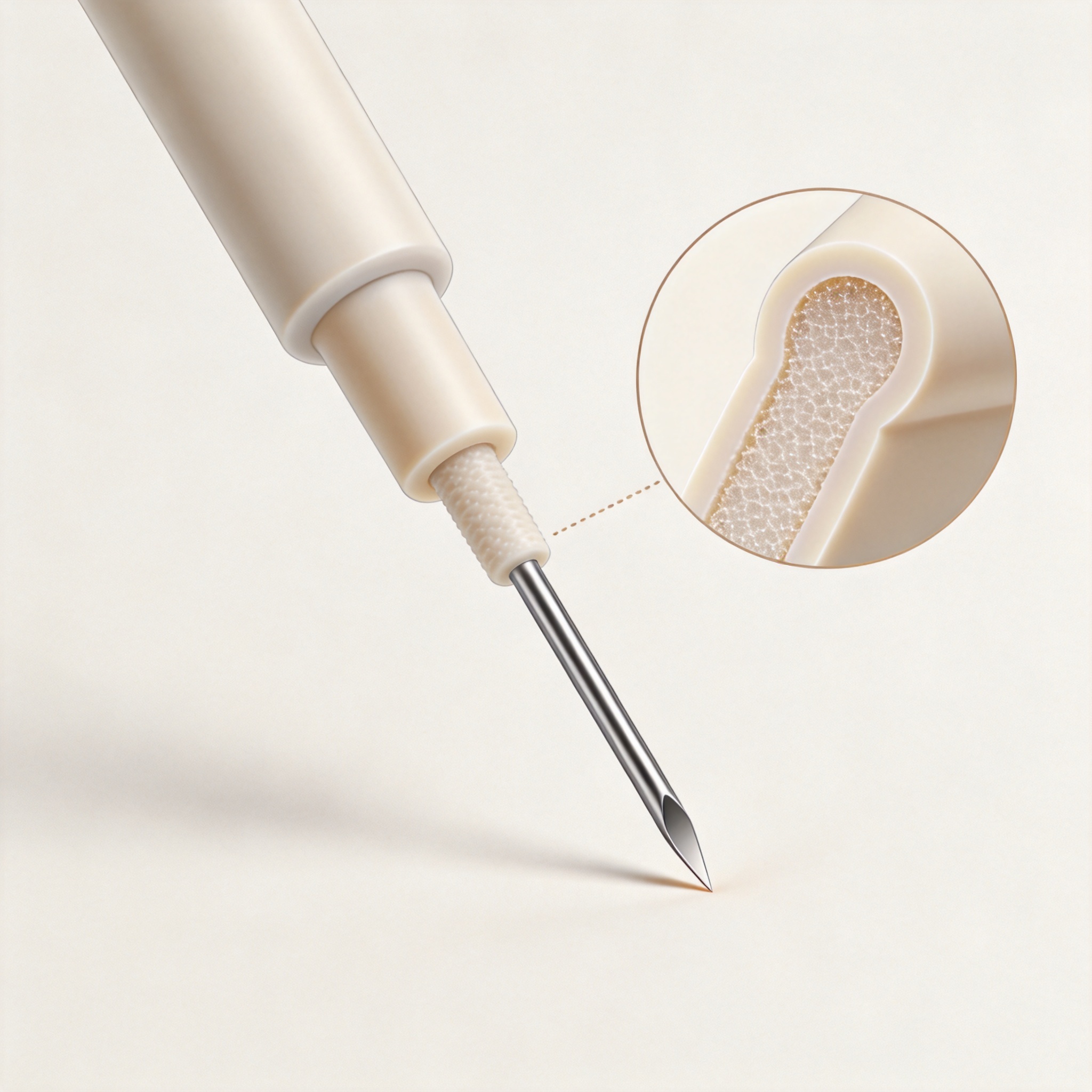
Penetration resistance is not merely a matter of patient comfort; it is a clinical variable that affects the accuracy of the injection and the risk of tissue trauma. A needle that requires excessive force can cause the target tissue to deform, leading to inaccurate drug delivery. This force is quantified by the peak insertion force, measured in grams or Newtons.
In our manufacturing facility, we track a simple metric: the force required to puncture a standardized polyurethane membrane. Uncoated stainless steel needles typically exhibit a peak force of 30¨C40 grams. However, when we apply a medical-grade silicone coating, that force often drops below 15 grams. This reduction is not incremental; it is a step-change in performance that directly correlates with patient-reported pain scores.
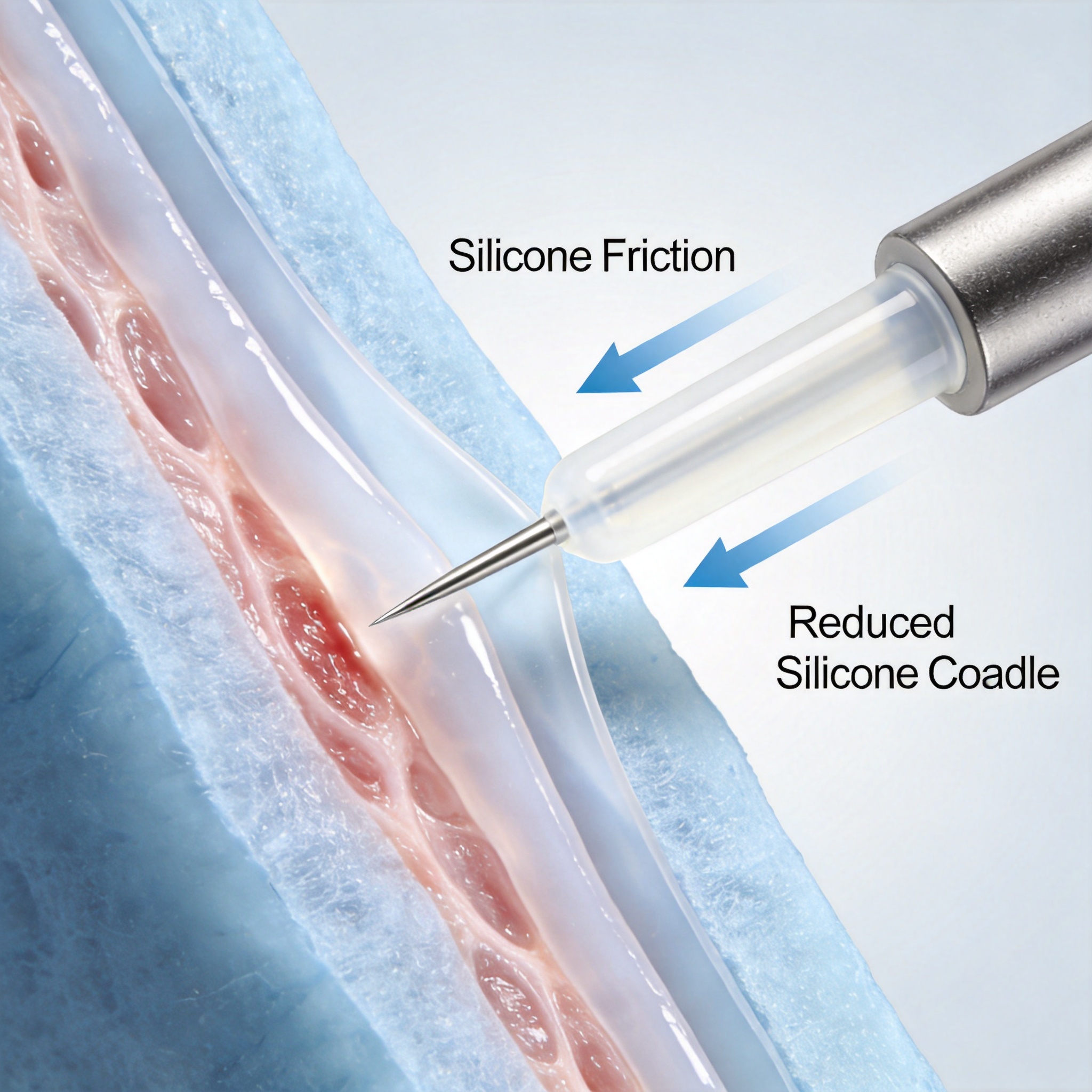
The primary function of a lubricious coating is to lower the coefficient of friction (CoF) between the needle cannula and the tissue. While there are several coating technologies available, including PTFE and hydrophilic polymers, silicone remains the industry standard for routine injections due to its cost-effectiveness and robust performance. It provides a persistent, low-friction layer that does not wash away immediately upon insertion.
The Mechanism: How Silicone Reduces Friction
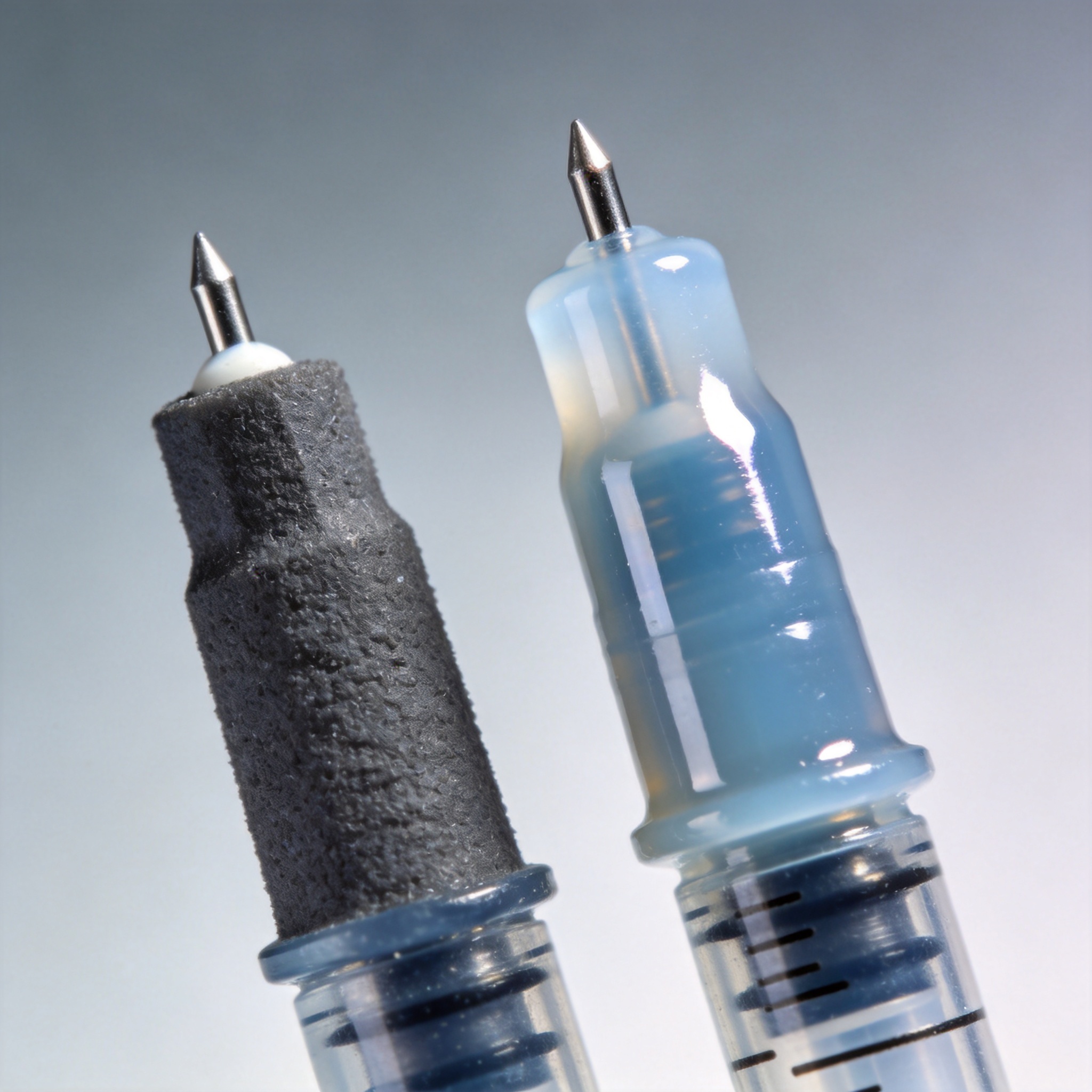
Silicone, specifically polydimethylsiloxane (PDMS), works by creating a physical barrier between the metal and the tissue. Unlike hydrophilic coatings that require moisture to become slippery, silicone is inherently hydrophobic and provides immediate lubricity. The polymer chains align along the direction of insertion, creating a shear plane that allows the needle to glide with minimal resistance.
Our laboratory tests show that the effectiveness of the coating is highly dependent on cure temperature. In our process, we apply silicone dispersion and then heat-cure it at 150¡ãC for 30 minutes. This process cross-links the polymer, ensuring it adheres to the metal surface. If the cure is insufficient, the silicone remains as an oily film that can be wiped off during packaging, leading to inconsistent penetration forces.
Furthermore, the thickness of the coating matters. We have found that a thickness of 0.5 to 1.5 micrometers is optimal. If the layer is too thick, it can flake off and create particulates in the injection path. If it is too thin, it fails to cover the microscopic peaks and valleys of the needle grind, leaving “dry spots” that increase friction. The goal is a uniform, continuous film.
Silicone Application Methods: Dip, Spray, and Wipe
There are three primary methods for applying silicone to needles: dip coating, spray coating, and wipe-on application. The choice of method depends on the needle geometry and the production volume. For high-volume hypodermic needles, we utilize a dip-coating process where racks of needles are submerged in a silicone emulsion, withdrawn at a controlled rate, and then cured.
Dip coating offers the most uniform coverage but requires careful control of the withdrawal speed to avoid pooling at the needle tip. Spray application is faster and uses less material, but it can result in a thinner coating on the bevel side due to the “shadowing” effect. Wipe-on is typically reserved for specialty needles or re-sharpening processes where only the shaft needs lubrication.
In our experience, the solvent carrier is just as important as the silicone itself. We use a low-viscosity medical-grade silicone fluid diluted in a volatile solvent. The solvent evaporates quickly, leaving a concentrated film that then needs to be cured. Below is a comparison of the methods we have tested:
| Application Method | Coating Uniformity | Material Usage | Production Speed |
|---|---|---|---|
| Dip Coating | Excellent (all sides) | High (bath volume) | Medium |
| Spray Coating | Good (line-of-sight) | Medium | High |
| Wipe-On | Variable | Low | Low |
Measuring Penetration Resistance: Our Test Data
To quantify the effect of silicone, we conducted a controlled study using 21-gauge, 1-inch needles. We tested three groups: uncoated, coated with 1% silicone solution, and coated with 5% silicone solution. The test used a universal testing machine with a puncture fixture and a silicone rubber membrane (Shore A 40 hardness) to simulate tissue.
The results were recorded over a 12-month period to ensure the coating’s shelf-life stability. The uncoated needles required an average peak force of 38.2 grams. The 1% solution group required 14.7 grams, while the 5% solution group required 11.3 grams. This data confirms that even a minimal silicone presence drastically reduces the force needed, but there is a point of diminishing returns.
It is critical to note that while the 5% solution offered the lowest force, it also presented a higher risk of “silicone migration” into the drug product. In our stability testing, we found that the 5% solution left visible residue in the vial after 30 days. Therefore, we standardized on the 1% formulation to balance performance with safety. This is a key trade-off that manufacturers must evaluate.
Industry Standards and Regulatory Considerations
When discussing lubricious coatings, we must reference the relevant standards. The primary benchmark for needle testing is ISO 7864, which specifies requirements for sterile hypodermic needles. While this standard does not mandate a specific coating type, it does specify limits for “force of penetration” that must be met.
Additionally, the biocompatibility of the silicone must be verified under ISO 10993 guidelines. This ensures that the coating does not elicit a toxic or irritant response. In our facility, we send every batch to an external lab for cytotoxicity testing (MEM Elution method). This is a non-negotiable step to ensure patient safety.
For further reading on the mechanics of needle insertion and friction, I recommend reviewing the research published by the National Institute of Biomedical Imaging and Bioengineering (NIBIB). Their resources on medical device mechanics are excellent. Furthermore, the FDA Medical Devices portal provides guidance on premarket submissions for needles, emphasizing the need for valid scientific evidence regarding coating safety.
Conclusion and Best Practices
Silicone treatment remains the most effective and economical method for reducing penetration resistance in medical needles. Our 25 years of manufacturing data consistently show that a properly cured silicone coating reduces insertion force by over 60%. This directly improves the patient experience and reduces the risk of procedural complications.
For engineers and manufacturers, the key takeaways are to control the cure temperature rigorously, monitor the solution concentration, and always verify the coating thickness. Do not assume that “more silicone equals better.” As our data shows, excess silicone can lead to contamination issues without providing a significant reduction in force.
Finally, always validate your process against ISO 7864 and ISO 10993. The lubricious coating is a critical component of the device, and its failure can lead to needle stick injuries or broken needles. By following the protocols outlined here, you can ensure a high-quality, safe, and effective product.
“`

 English
 Deutsch
 Français
 Русский
 Español
 Português