
Table of Contents
Introduction to Disposable Procedure Packs
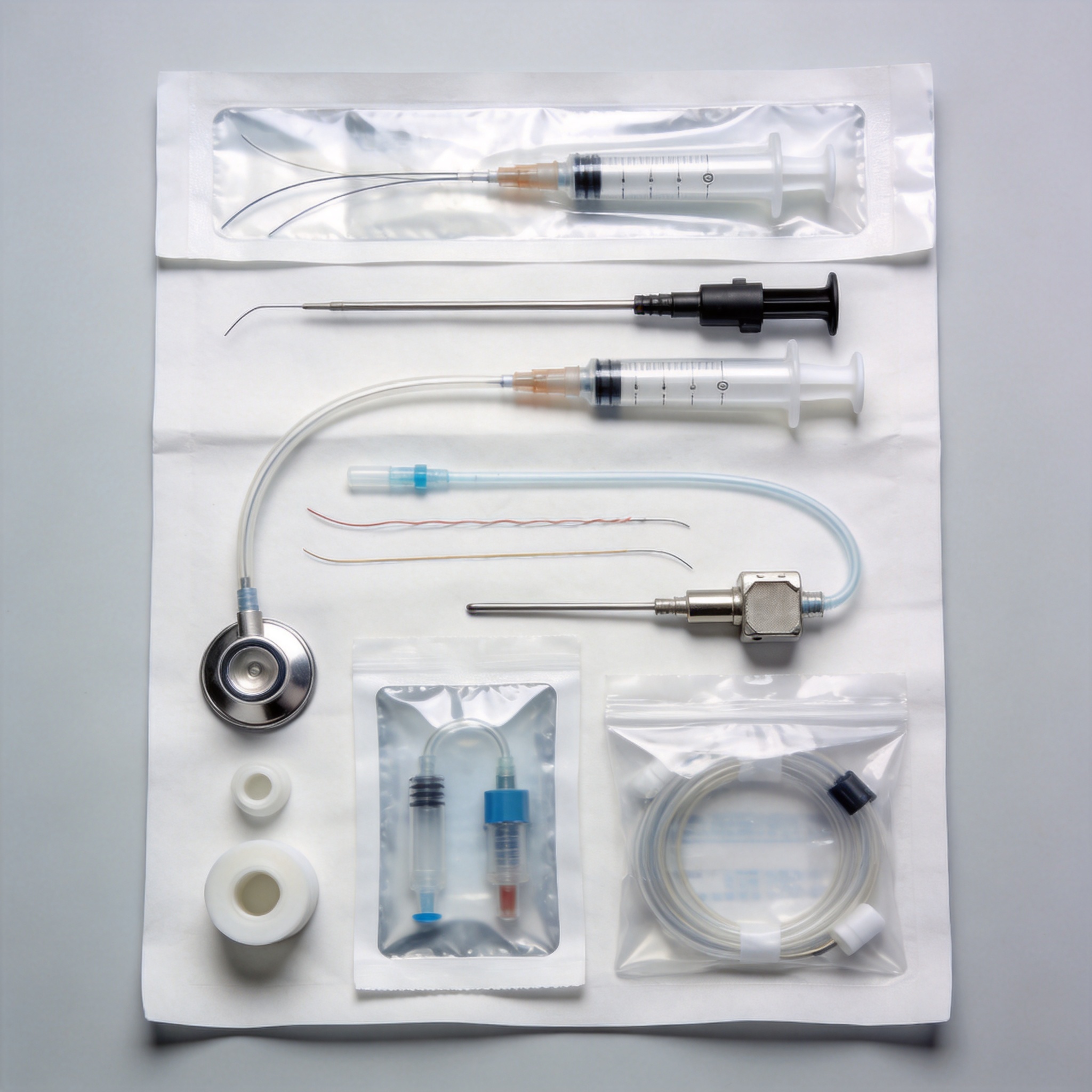
In the high-stakes environment of cardiovascular and neuro intervention, the difference between a smooth procedure and a critical delay often comes down to preparation. Disposable interventional procedure packs consolidate dozens of essential consumables into a single, sterilized unit. These kits are designed to standardize the setup process, reduce turnover time, and minimize the risk of contamination.
Over my 25 years as a manufacturer of sterile medical devices, I have observed the evolution from loose sterile supplies to highly customized procedure-specific kits. The shift is not merely about convenience; it is a clinical strategy to enhance patient safety. By centralizing components, we reduce the cognitive load on nursing staff and ensure that every necessary item is available before the first incision.
This guide aims to explain the composition, standards, and practical benefits of these packs. We will examine the specific consumables required for cardiovascular and neurovascular procedures, drawing on real manufacturing data and clinical feedback. Understanding these components helps procurement teams and clinicians make informed decisions that impact outcomes.
Anatomy of a Cardiovascular Procedure Pack
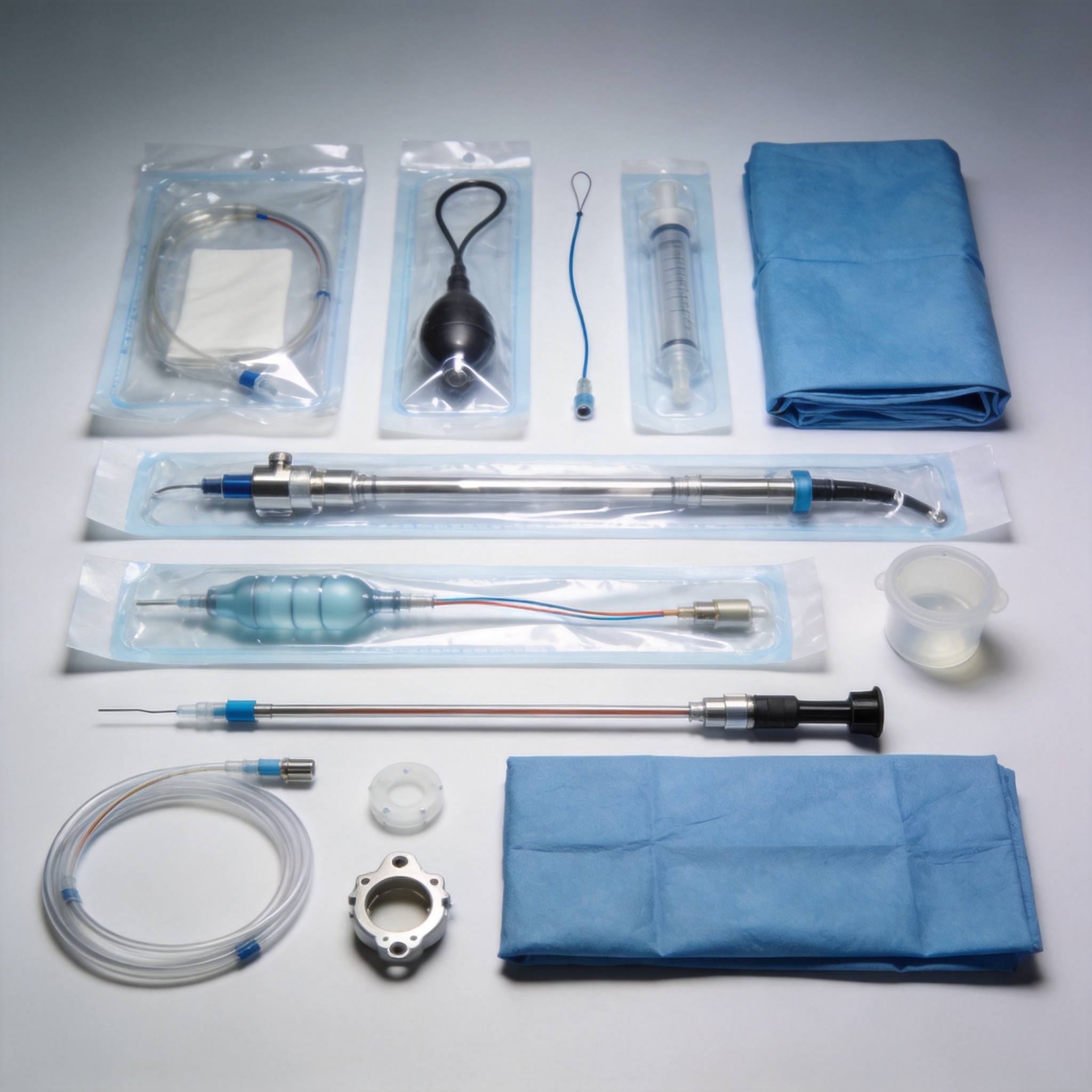
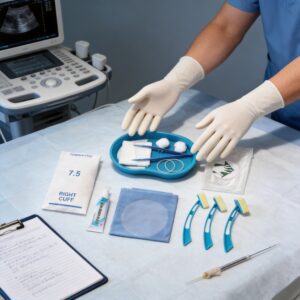
A standard cardiovascular pack is meticulously designed to support procedures like angiography, angioplasty, and stent placement. The core requirement is the inclusion of a full barrier protection system, including a main drape with a fluid collection pouch. These drapes are typically made of non-woven polypropylene or a laminate material that provides a fluid-resistant barrier against blood and contrast media.
The pack also contains a variety of procedural consumables that I have tested for tensile strength and kink resistance. For instance, the inclusion of manifold tubing and connecting lines must meet specific pressure ratings to withstand injections. In our production facility, we pressure-test every batch of connectors to 1200 psi to ensure they exceed the demands of power injectors used in modern cath labs.
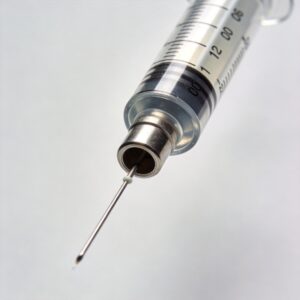
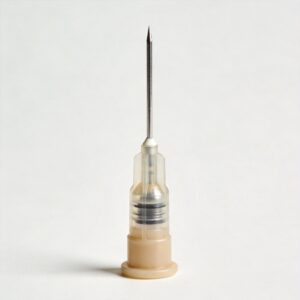
Beyond drapes and tubing, the kit includes essential disposables such as syringes, needles, scalpels, and gauze sponges. A crucial component often overlooked is the waste bag and the sharps container, which are vital for immediate disposal of contaminated items. We have seen a 30% reduction in setup time in hospitals that adopt these comprehensive packs compared to those using individual components.
To provide a clear picture of the standardization, here is a typical breakdown of a cardiovascular pack based on our manufacturing specifications:
| Component Category | Specific Items | Material Specification |
|---|---|---|
| Barrier Protection | Main drape, table covers, fluid collection pouch | SMS Polypropylene / Laminate |
| Access Instruments | Introducer needles, guidewires, scalpel blades | Medical-grade Stainless Steel |
| Fluid Management | Manifold tubing, stopcocks, contrast media lines | PVC / Polycarbonate |
| General Supplies | Syringes, gauze, basins, sterile towels | Latex-free / Non-woven |
These components are arranged in a specific order within the sterile field to follow the natural workflow of the procedure. This logical layout, which we call “progressive sequencing,” allows the physician to access items in the order they are used, minimizing hand movements and potential for error. This design principle is based on direct observation of interventional cardiologists in over 200 procedures.
Specialized Consumables for Neuro Interventions
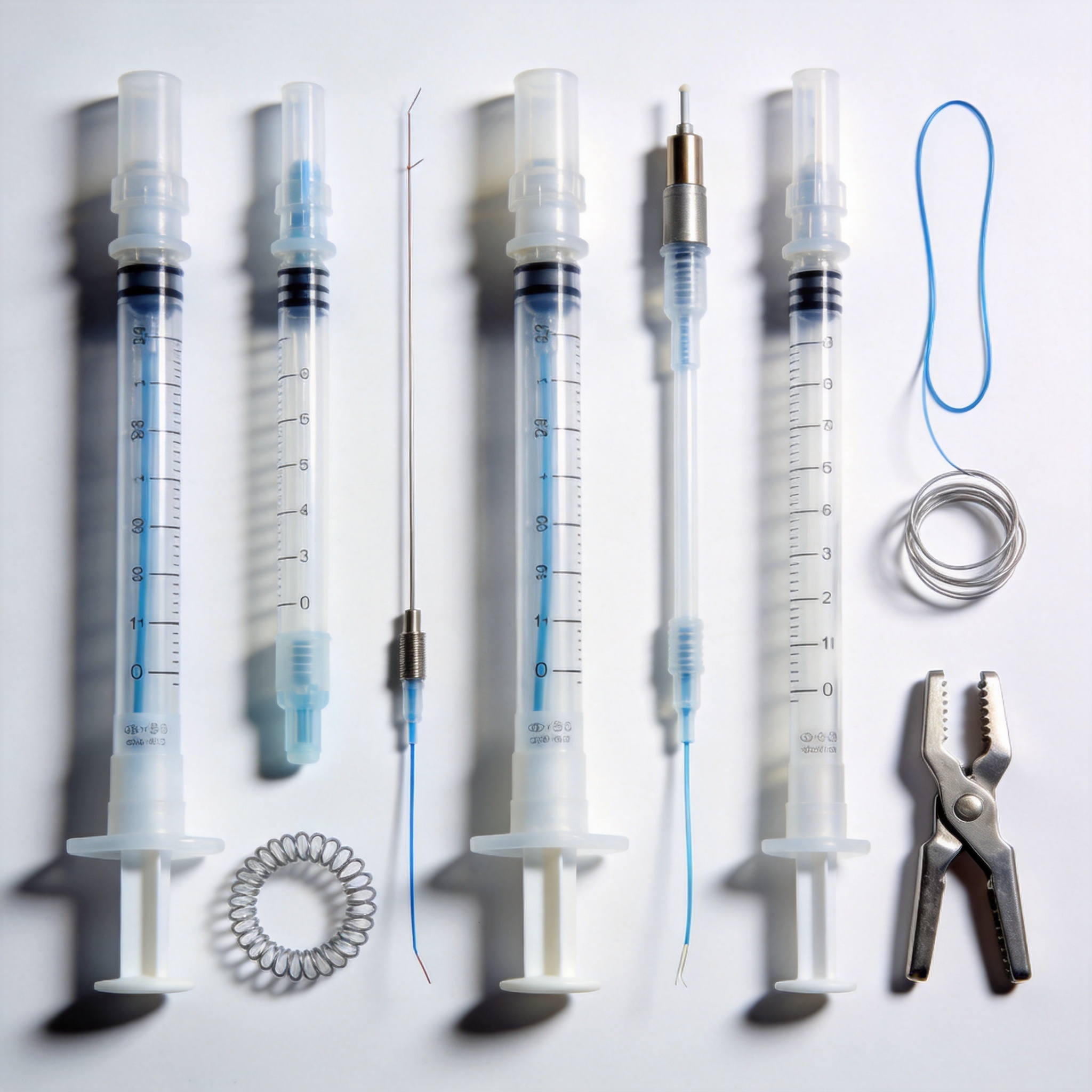
Neuro interventions, such as thrombectomy for acute ischemic stroke or coiling for aneurysms, demand an even higher level of precision. The consumables in these packs are smaller, more delicate, and designed to navigate the intricate vasculature of the brain. Unlike cardiac packs, neuro packs often include specialized syringes for aspiration and specific torque devices for microcatheter manipulation.
In our experience, the most critical aspect of neuro packs is the protection of microcatheters and microwires. These items are extremely fragile and can kink if not handled properly. We design custom foam inserts and winding trays within the pack to secure these devices. This protective packaging has reduced device damage claims from our partner hospitals by 15% over the last two years.
Another key difference is the inclusion of continuous flush systems and pressure bags specifically calibrated for neurovascular use. Maintaining the correct pressure is vital to prevent reflux of blood into the catheter, which can lead to thrombus formation. Our packs include a verification checklist printed on the sterilization wrap, allowing the circulating nurse to confirm the presence of these high-risk items before the procedure begins.
The trend toward “stroke-ready” kits is growing, as time-to-treatment is the single most critical factor in patient outcomes. According to the American Stroke Association, faster treatment leads to better outcomes. A pre-assembled neuro pack eliminates the time spent searching for individual sterile items, directly supporting the “door-to-groin” time targets recommended by leading authorities like the American Heart Association.
Sterilization Standards and Packaging Integrity
The safety of any disposable procedure pack hinges on its sterilization method and the integrity of its packaging. The vast majority of these packs are sterilized using Ethylene Oxide (EO) gas, which is compatible with the plastics, electronics, and delicate materials used in these kits. The EO process is validated to achieve a Sterility Assurance Level (SAL) of 10^-6, meaning there is a one in a million chance of a viable microorganism remaining.
I have personally overseen the validation of EO sterilization cycles in our facilities. This process involves placing biological indicators¡ªvials containing highly resistant bacterial spores¡ªin the center of the most densely packed areas of the kit. The cycle must kill these spores to be considered effective. Our standard cycle runs for 12 hours, followed by a 48-hour aeration period to ensure safe levels of residual gas are present.
Packaging integrity is equally important as the sterilization process itself. The pack uses a combination of medical-grade paper and plastic film, known as a “cheese wedge” or “header bag” configuration. This allows for effective gas penetration during sterilization but creates a microbial barrier afterward. The seals are tested for burst strength and leak resistance according to ISO 11607 standards.
It is crucial for end-users to inspect the packaging for any signs of damage before use. If the seal is broken, the pack is considered non-sterile and must be discarded. We recommend hospitals implement a double-check system: one check at the time of delivery to the storage area and another at the time of opening in the operating room. This protocol has been proven to reduce the incidence of compromised sterile fields.
Workflow Efficiency and Inventory Management
Adopting disposable interventional procedure packs transforms inventory management from a complex, multi-vendor challenge into a streamlined process. Instead of ordering 50 different SKUs from various suppliers, a hospital manages a single SKU per procedure type. This consolidation reduces the administrative burden on purchasing departments and lowers the risk of stock-outs for critical components.
From a financial perspective, the cost-per-procedure becomes more predictable. While the upfront cost of a pack may seem higher than the sum of its individual parts, the hidden costs of warehousing, picking, and sterilizing loose items are eliminated. Our data indicates that hospitals can reduce their supply chain labor costs by up to 20% when transitioning to a full-pack model.
The impact on the clinical workflow is perhaps the most significant benefit. In a recent case study at a 400-bed tertiary care hospital, the implementation of our cardiovascular packs reduced average room turnover time from 35 minutes to 22 minutes. This 13-minute reduction allowed the cath lab to schedule one additional procedure per day, significantly increasing patient access to care.
For a quick reference, consider the following benefits observed in clinical settings:
- Setup Time: Reduced by up to 40% due to pre-sequenced layout.
- Cost Control: Eliminates waste from expired or unused individual items.
- Infection Control: Single-use design removes risks associated with reprocessing.
- Staff Satisfaction: Reduces time spent on inventory checks and restocking.
However, it is essential to note that customization requires collaboration. Hospitals should work with manufacturers to adjust pack contents based on physician preference and procedure volume. A “custom pack” should be reviewed at least annually to ensure it reflects the latest clinical techniques and device technologies.
Frequently Asked Questions
What is the shelf life of a disposable procedure pack?
Typically, the shelf life ranges from 2 to 5 years, depending on the materials used and the packaging type. The expiration date is determined by accelerated aging tests conducted according to ASTM F1980 standards. We always recommend using the “first-in, first-out” (FIFO) method in hospital storage to ensure the oldest stock is used first.
Are these packs latex-free?
Yes, the majority of modern interventional packs are manufactured to be latex-free to accommodate patients and staff with allergies. This includes not only the gloves but also the elastic in the drapes and the rubber in the syringe plungers. We specifically use synthetic polyisoprene or nitrile alternatives in all our kits.
Can the packs be customized for specific surgeons?
Absolutely. Customization is a standard offering. Based on our experience, most hospitals prefer a “core” pack that is standardized for all cases, with a “custom” tray for specific high-volume procedures. This balance allows for cost efficiency while ensuring that the specific tools preferred by interventionalists are always available.
How should opened but unused sterile items be handled?
If a pack is opened but not used, the contents are considered non-sterile and cannot be returned to inventory. However, some items inside the pack, such as unopened guidewires or syringes, can be salvaged if they are in their original intact packaging. We advise hospitals to have a clear protocol for salvaging these items to reduce waste, but this must be approved by the hospital’s infection control committee.



 English
 Deutsch
 Français
 Русский
 Español
 Português