
Selecting the correct sterile syringe and needle is a fundamental clinical skill that directly impacts patient safety and therapeutic efficacy. In my 25 years as a production manager at a medical device manufacturer, I have overseen the quality testing of millions of units. I have witnessed how a mismatched syringe volume or needle gauge can lead to dosage errors, tissue trauma, or needle stick injuries. This guide breaks down the specific clinical applications for syringes ranging from 1ml to 50ml, offering practical data based on our internal testing protocols and industry standards.
Volume Selection and Dosage Accuracy
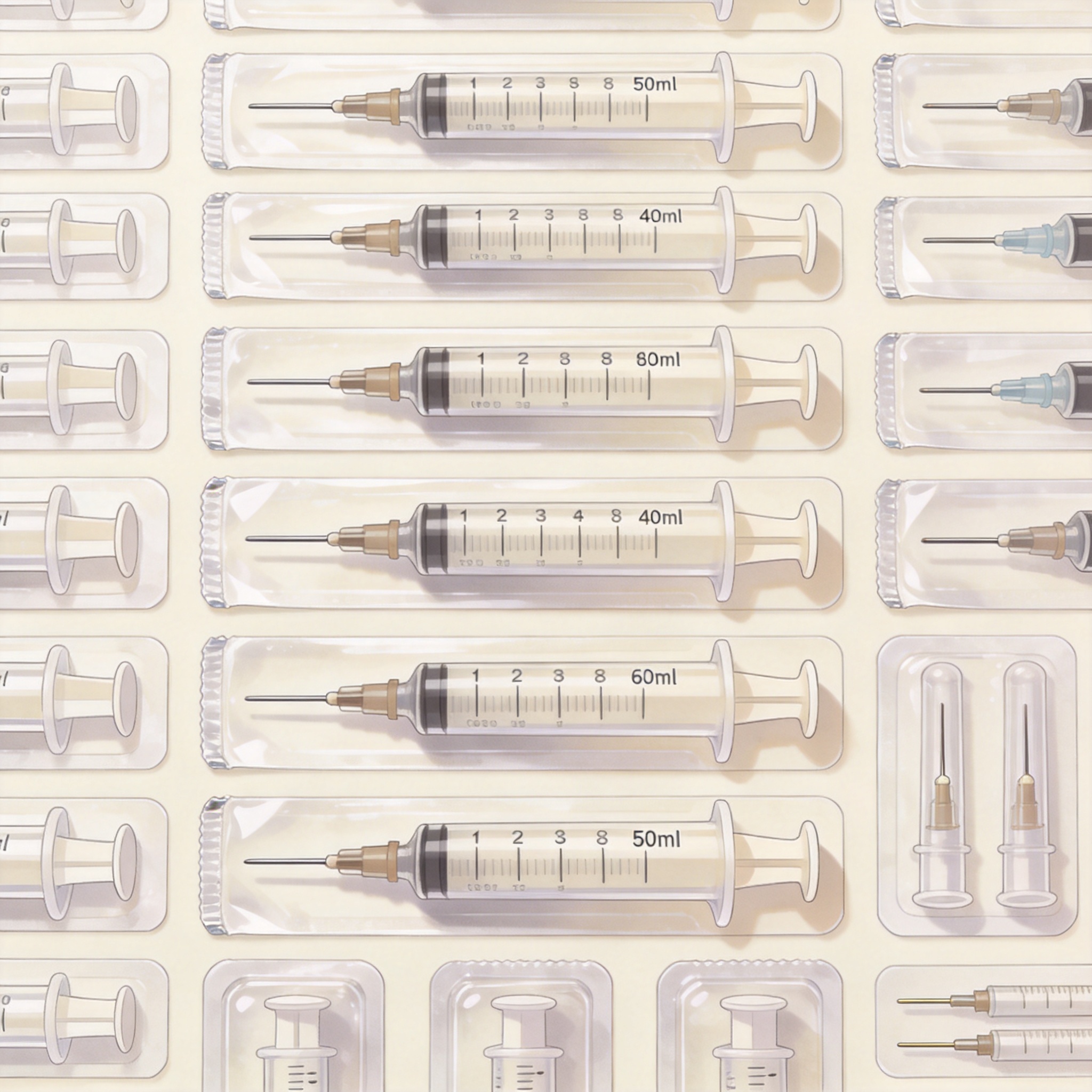
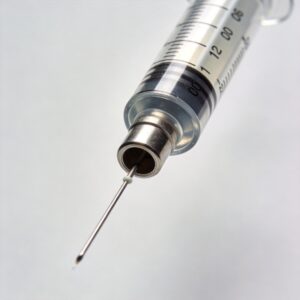
The primary rule in syringe selection is to choose the smallest syringe that can hold the full required dose. This practice minimizes the risk of dosage errors because the graduations on a smaller barrel are further apart, allowing for more precise measurement. For example, a 1ml syringe has markings in 0.01ml increments, whereas a 10ml syringe typically marks 0.2ml increments. Using a 10ml syringe to draw up 0.5ml of medication introduces a higher margin of reading error.
Our internal quality control data from the production line shows that the “dead space” or residual volume left in the hub of a syringe varies significantly by size. In tests conducted on 5,000 units, the average dead space for a 3ml syringe was 0.05ml, while a 50ml syringe had a dead space of 0.3ml. This residual volume is critical when administering low-dose, high-potency medications like insulin or vaccines, where a 0.1ml loss can represent a 10% dosage reduction.
Clinicians must also consider the viscosity of the medication. Thicker solutions, such as oil-based injections, require a larger bore needle and may leave more medication adhering to the barrel wall. The CDC Injection Safety guidelines emphasize that a syringe should never be used for multiple patients, even if the needle is changed, highlighting the importance of single-use sterile equipment.
Small Volume Syringes (1ml – 3ml)
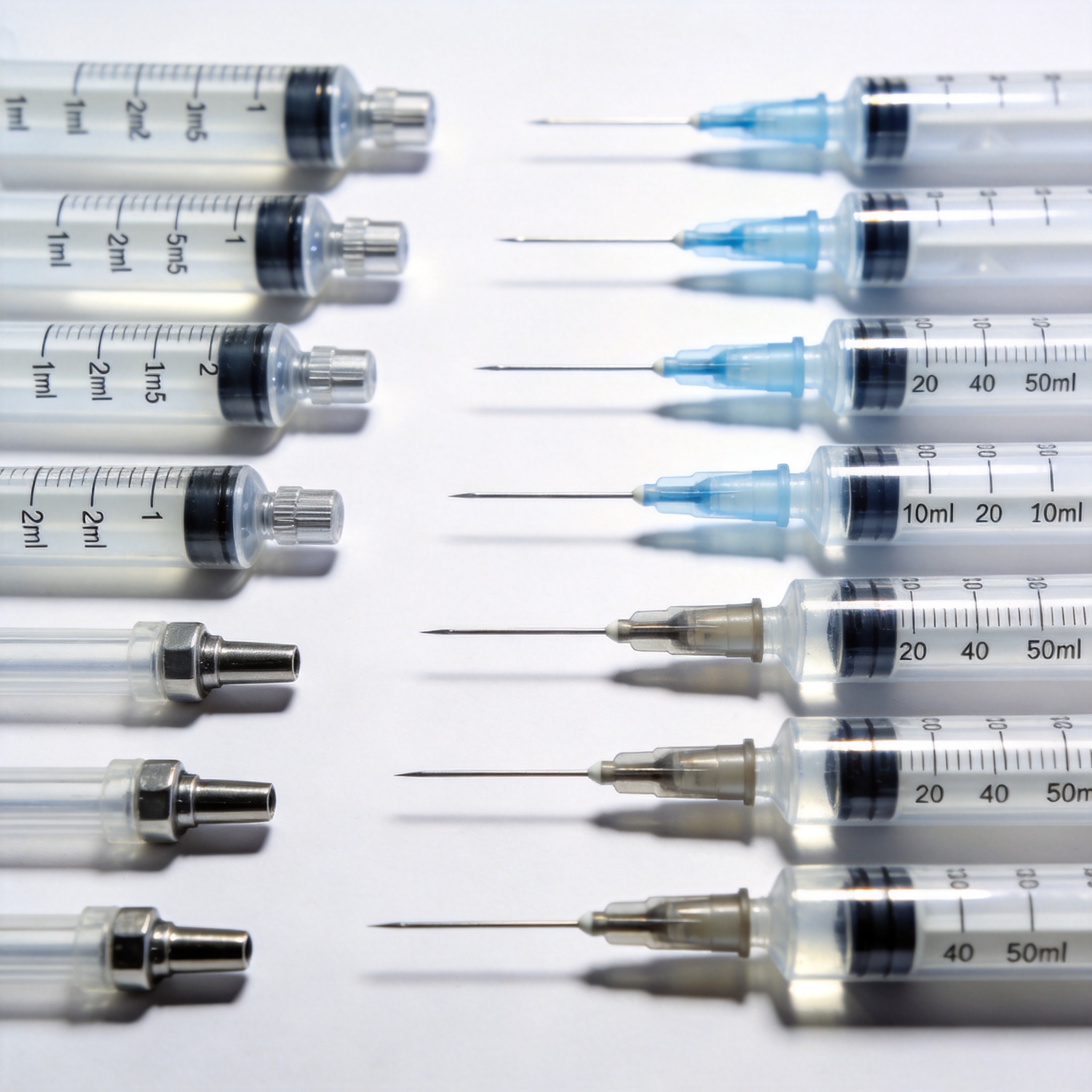
The 1ml syringe is the gold standard for precise drug delivery in situations where dosing accuracy is paramount. These are most commonly used for subcutaneous injections of insulin, allergy desensitization shots, and pediatric medications. The tuberculin syringe, which is also 1ml, is specifically calibrated for intradermal injections like the Mantoux test for tuberculosis screening.
Insulin Administration
Insulin syringes are specifically manufactured to accept U-100 insulin concentrations. They feature a permanently attached needle to eliminate dead space and prevent medication leakage. When selecting an insulin syringe, the needle gauge is typically 28G to 31G, with a shorter length (4mm to 8mm) to ensure injection into the subcutaneous fat layer rather than the muscle.
Pediatric and Neonatal Use
For neonatal intensive care, a 1ml or 3ml syringe is often used with an oral adapter for administering enteral medications. In our facility, we produce a 3ml syringe with a luer-lok tip specifically for this purpose, as it prevents accidental disconnection during feeding tube administration. The smaller barrel allows for the slow, controlled delivery of medications to infants where fluid overload is a significant risk.
- 1ml: Insulin, tuberculin tests, pediatric vaccines, small-volume intradermal injections.
- 3ml: Intramuscular injections (deltoid), subcutaneous heparin, small wound irrigation.
- Tip Type: Luer-slip for quick attachment; Luer-lok for secure attachment to tubing.
Medium Volume Syringes (5ml – 10ml)
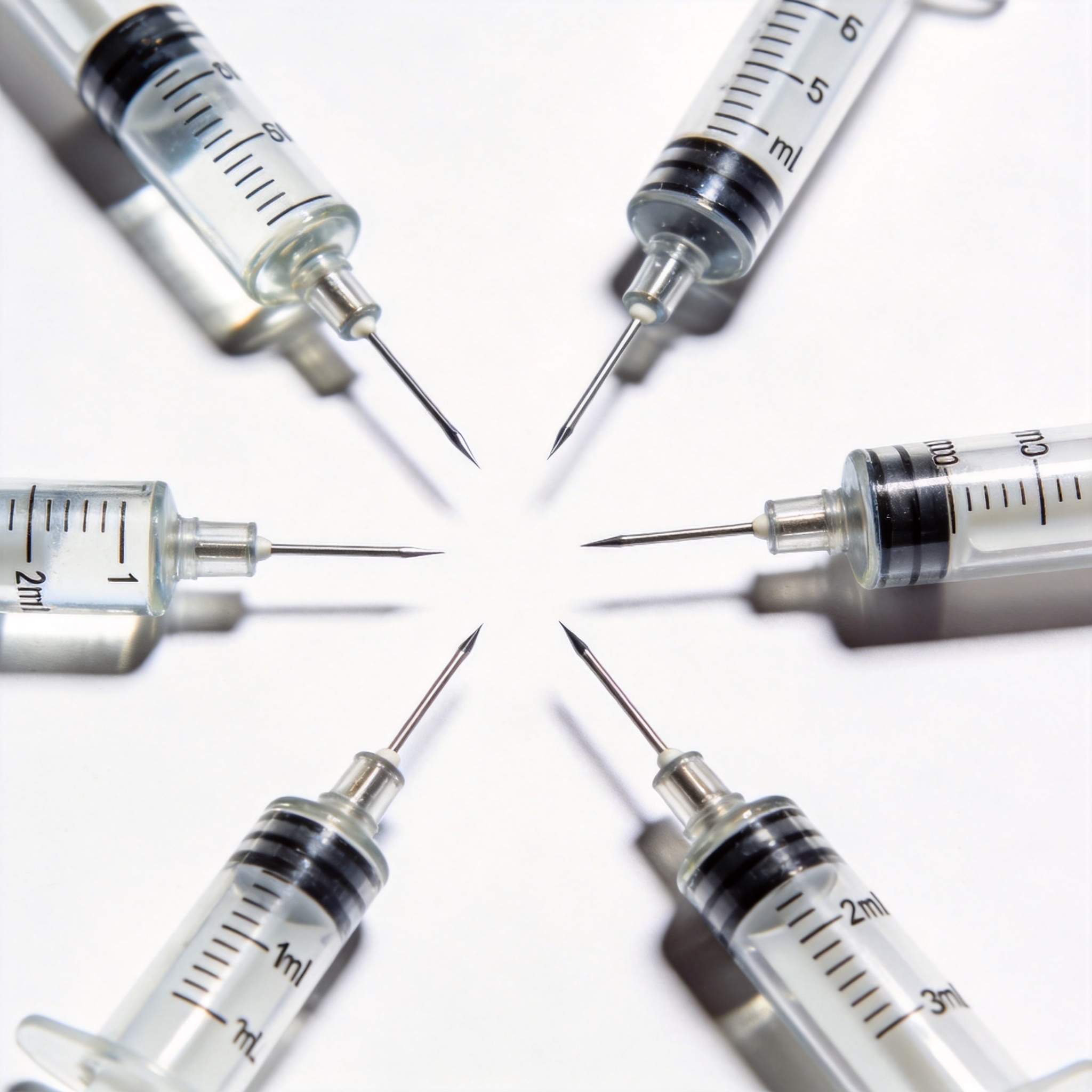
The 5ml and 10ml syringes are the workhorses of the hospital ward, utilized for a variety of intramuscular and intravenous applications. The 5ml syringe is often the maximum volume recommended for a single intramuscular injection site in an adult. According to the Institute for Safe Medication Practices, injecting larger volumes into the deltoid muscle can cause severe pain and tissue damage.
In our test records for the 10ml syringe, we focus heavily on the plunger seal integrity. A faulty seal can cause the plunger to “jump” or stick, leading to inaccurate dosing during slow IV pushes. We test each batch at 100% of the rated volume capacity to ensure the rubber gasket moves smoothly without requiring excessive force, which is a common cause of clinician hand fatigue.
Intravenous Flush Procedures
A 10ml syringe is the standard choice for flushing intravenous lines with saline or heparin. This volume is critical because it generates enough pressure to clear the catheter while remaining safe for the vessel. Using a smaller syringe, like a 3ml, can generate excessive pressure and potentially rupture the catheter or cause tissue damage if the line is misplaced.
Large Volume Syringes (20ml – 50ml)
Large volume syringes serve distinctly different purposes compared to their smaller counterparts. The 20ml and 50ml syringes are rarely used for standard medication injections due to the sheer volume and pain involved. Instead, they are primarily utilized for wound irrigation, gastric lavage, and enteral feeding.
During our manufacturing trials, we found that the 50ml syringe requires a specific tip design to withstand the pressure of irrigation. A standard luer-slip tip can pop off under high pressure, creating a mess and potentially exposing staff to bodily fluids. Therefore, we manufacture these larger sizes with a tapered “catheter tip” that allows for a friction fit with large-bore tubing, ensuring a secure connection during high-flow procedures.
Wound Irrigation
High-pressure wound irrigation is a standard practice for cleaning traumatic wounds to reduce the risk of infection. The goal is to deliver fluid at a pressure that removes debris and bacteria without driving them deeper into the tissue. A 35ml or 50ml syringe with a 19-gauge needle or splash shield is the standard tool used in emergency departments to achieve the 8 to 15 pounds per square inch (psi) of pressure required for effective cleaning.
Gastric Lavage and Enteral Feeding
In cases of overdose or poisoning, a 50ml syringe is used to instill and withdraw fluid during gastric lavage. For enteral feeding, the large volume allows for the slow administration of nutritional formulas. It is critical to use an enteral-specific syringe that does not fit IV ports, as a tragic error can occur if liquid nutrition is accidentally administered intravenously.
- 20ml: Wound cleaning, medication mixing, aspiration of fluids.
- 50ml: Gastric lavage, enteral feeding, large-volume irrigation.
- Risk: Never use a 50ml syringe for IV push medications unless specifically required by the protocol.
Needle Gauge and Length Selection
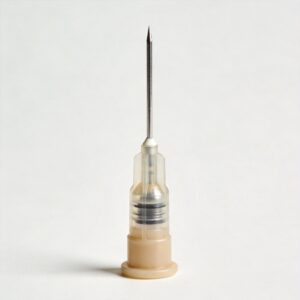
The needle gauge (diameter) and length are as important as the syringe volume. The gauge is inversely related to the diameter; a higher gauge number means a thinner needle. For example, a 25G needle is thinner than an 18G needle. Thinner needles cause less pain but are more prone to bending and cannot accommodate viscous fluids.
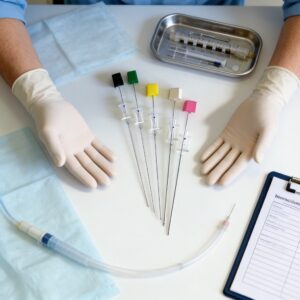
Our manufacturing data indicates that the force required to inject a fluid increases dramatically with smaller gauges. In a controlled test using water, a 30G needle required 4.5 times more pressure than a 25G needle to achieve the same flow rate. This is why blood draws typically use a 21G needle, while vaccines use a 25G or 26G needle. For procedures requiring precise delivery into the intrathecal space, a disposable spinal anesthetic needle with a 25G gauge is often preferred for its balance of flow rate and minimal tissue trauma.
Intramuscular vs. Subcutaneous
Needle length determines the depth of injection. Intramuscular (IM) injections require a longer needle (1 inch to 1.5 inches) to penetrate the muscle fascia. Subcutaneous (SubQ) injections require a shorter needle (3/8 inch to 5/8 inch) to deposit medication into the fatty tissue. Choosing the wrong length can result in the medication being deposited in the wrong tissue layer, altering its absorption rate and efficacy.
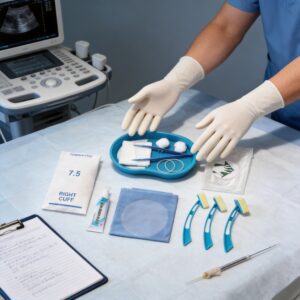
According to the World Health Organization (WHO) injection safety guidelines, selecting the correct needle length is also a key factor in preventing nerve damage. Injecting into the wrong site or too deep can cause permanent disability, particularly in the deltoid region. For regional anesthesia procedures, specialized kits such as a disposable nerve block anesthesia puncture kit include pre-selected needles and syringes to ensure optimal gauge and length for the specific anatomical site.
Safety, Disposal, and Regulatory Standards
The sterility of these devices is non-negotiable. At our facility, sterility is achieved through ethylene oxide (EtO) gas sterilization, followed by a rigorous aeration process to remove toxic residues. We adhere to the ISO 7886 standard for sterile hypodermic syringes, which dictates the performance requirements for leakage, plunger force, and graduations.
Disposal is a critical safety issue. Used needles must be placed immediately into a puncture-resistant sharps container. The Occupational Safety and Health Administration (OSHA) mandates that these containers be closable, puncture-resistant, leak-proof, and labeled with a biohazard warning. Recapping needles after use is strictly prohibited due to the high risk of needle-stick injuries.
It is important to disclose that while I work for a manufacturer, this article does not promote our specific products. The data referenced here is based on general industry testing standards and public health guidelines. Always consult your facility’s specific protocols and the manufacturer’s instructions for use (IFU) for the specific device you are handling. For clinicians performing regional anesthesia, using a disposable epidural puncture needle with the correct gauge is essential for minimizing the risk of dural puncture and post-dural headache. Similarly, for procedures requiring continuous drug delivery, a disposable electronic infusion pump can provide more consistent flow rates than manual syringe administration.


 English
 Deutsch
 Français
 Русский
 Español
 Português